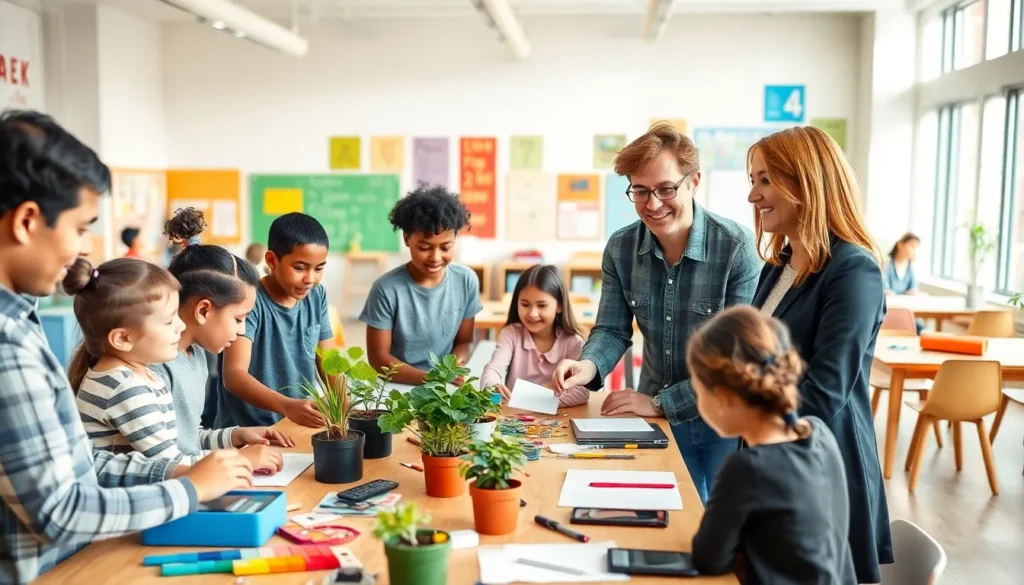
In a world where traditional schools sometimes feel like they belong in a museum, alternative education solutions are popping up like daisies in spring. With creativity, flexibility, and a splash of fun, these innovative methods cater to the unique needs of students. But let’s face it, who wouldn’t prefer a hands-on experience over the mundane lectures and endless worksheets? You’re about to discover the ins and outs of alternative education solutions that are transforming the learning landscape. Buckle up, because this is where learning gets interesting.
Understanding Alternative Education
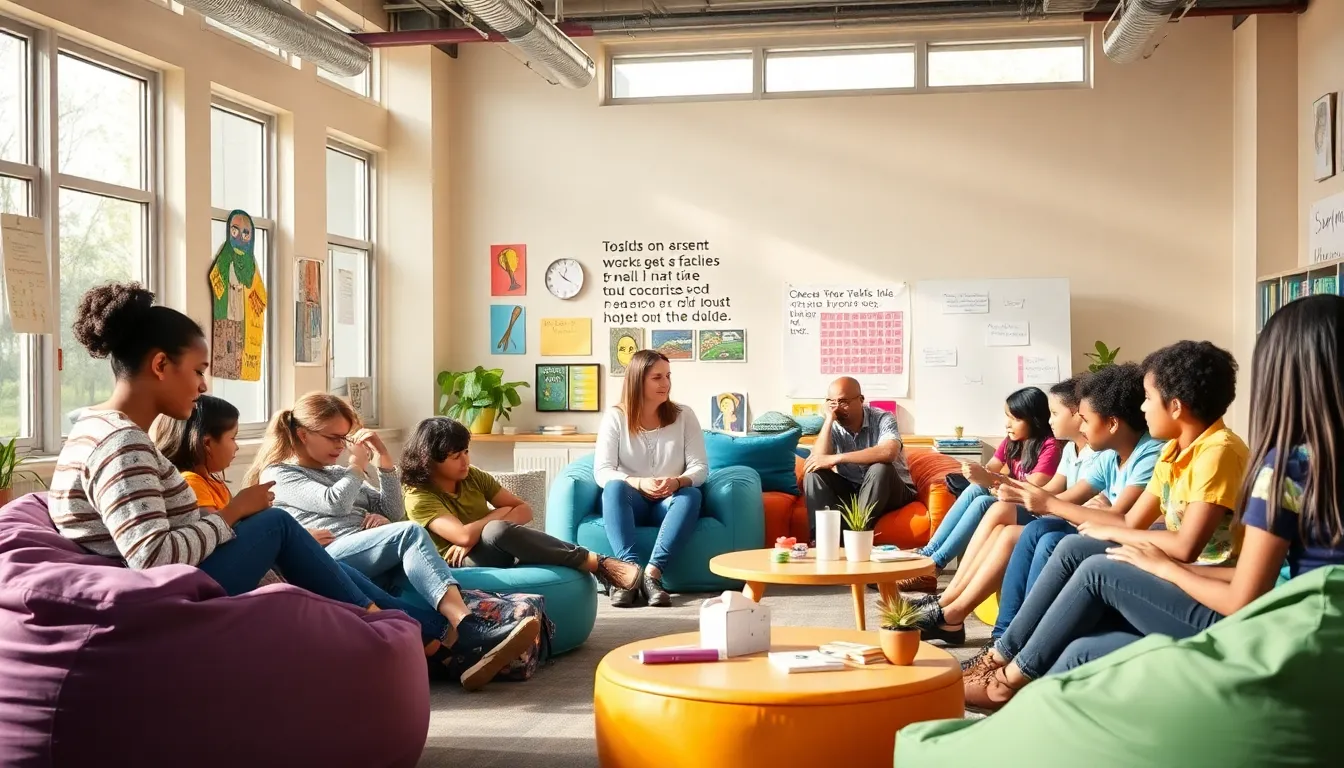
Alternative education refers to non-traditional educational practices that provide alternatives to conventional schooling. This approach typically emphasizes holistic development, creativity, and personalized learning rather than sticking to standardized testing and rigid curricula. Think of it as an educational buffet where students can choose the dishes that best suit their tastes and needs. These methods often foster a sense of community, helping learners forge connections with peers and mentors alike, creating an environment where curiosity thrives.
The Need for Alternative Education
Why is there a growing movement towards alternative education? The answer lies in the diversification of student needs in today’s fast-paced world. Traditional education systems often overlook the unique learning styles and paces of individual students. Some learners struggle in a conventional classroom setting where rote memorization is king: others may thrive in hands-on, project-based environments. As our comprehension of intelligence evolves, so too must our approaches to education. Alternative education fills in gaps that traditional institutions can sometimes miss, creating learning pathways for every learner.
Types of Alternative Education Solutions
There’s a vibrant array of alternative education approaches available, and they vary significantly in philosophy and execution. Here are a few popular types:
- Montessori Method: Focuses on child-led learning, encouraging independence and hands-on experience.
- Waldorf Education: Emphasizes artistic expression and imaginative play while integrating academics, fostering holistic growth.
- Unschooling: A learner-driven, interest-based approach that permits children to pursue topics they are passionate about.
- Online Education: Offers flexibility and convenience, allowing students to learn at their own pace using technology.
- Experiential Learning: Involves immersive experiences, such as internships or community projects, to engage students in real-world learning.
Benefits of Alternative Education
So, what’s the appeal of alternative education solutions? For starters, they are incredibly adaptable. These programs often prioritize individual learning styles and interests, allowing students to gain confidence through personalized learning experiences. Also, alternative education fosters critical thinking and problem-solving skills. It encourages students to explore subjects deeply rather than skimming the surface. Building a strong sense of community and social responsibility also comes with the territory, as many programs incorporate community service and collaboration into their curricula.
Challenges and Considerations
While alternative education comes with its perks, it’s not a one-size-fits-all solution. Resources can be a significant hurdle: some families might find such options less accessible due to cost or availability. Besides, the lack of a standardized curriculum can be daunting for both educators and parents, leading to varied educational experiences among students. Also, navigating the transition back to traditional schooling can be tricky if a student decides that alternative education isn’t for them after all. Each option comes with its own set of challenges that families must consider before making this educational leap.
Implementing Alternative Education Solutions
Implementing alternative education solutions requires thoughtful planning and community involvement. For parents and educators, it’s essential to research and understand the various approaches, considering the needs and preferences of the child involved. Local organizations, learning pods, or cooperative education systems can help collaborative learning experiences, enabling community members to pool resources and knowledge. With flexibility at its core, the success of alternative education often hinges on open communication among all stakeholders, educators, parents, and students, to create a supportive environment for learning.