

If you’re considering higher education at Russell Sage College, you might be wondering about one thing more than others: tuition costs. And who could blame you? Tuition can feel like a black hole for your finances. Don’t worry, though: this guide will shine some light on money matters at Russell Sage. From costs to financial aid, let’s break it down in a way that won’t put you to sleep.
Overview of Russell Sage College
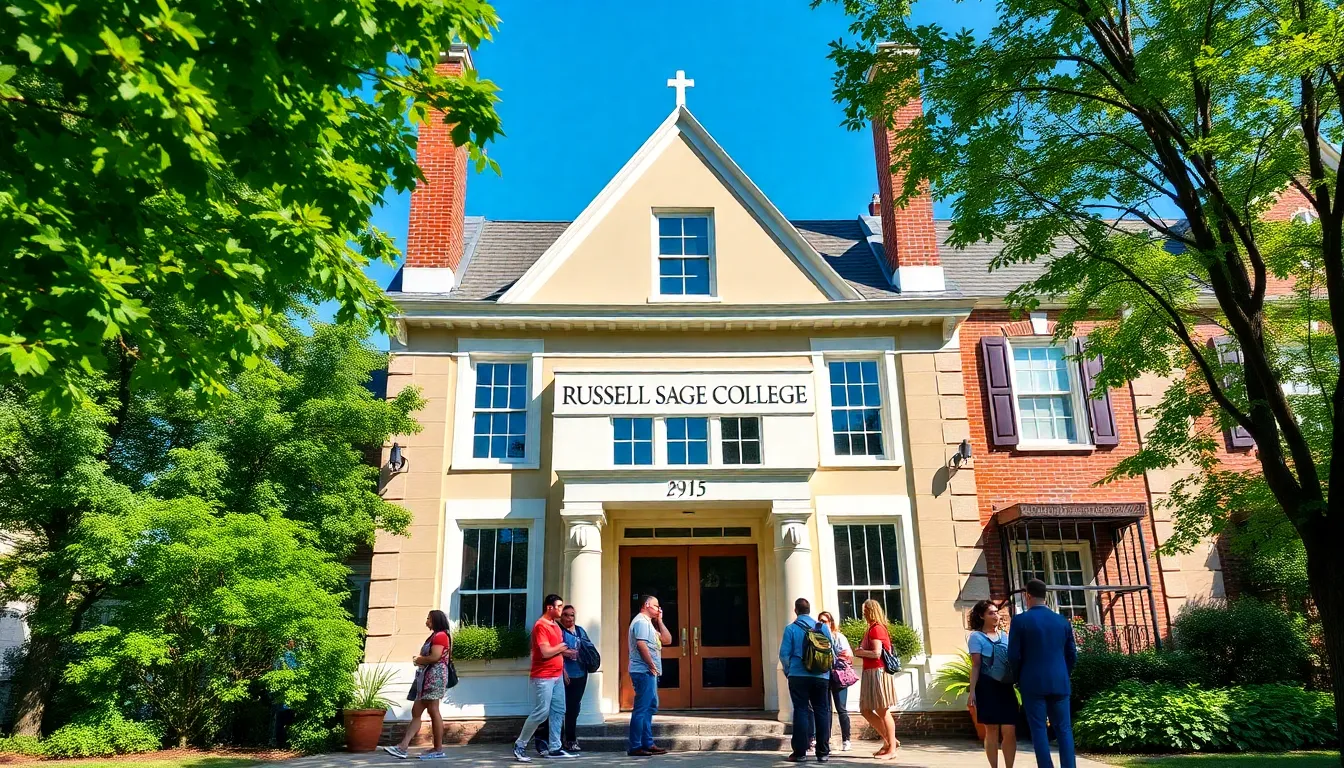
Russell Sage College is a hidden gem nestled in the heart of Troy, New York. This institution stands out not just for its academic rigor but also for its commitment to fostering a close-knit community. Founded in 1916, the college emphasizes a personalized education experience, boasting a student-to-faculty ratio that allows for intimate learning environments.
The college offers an array of programs, catering to everything from the arts to the sciences. Whether one is pursuing a degree in nursing or fine arts, students can expect an education that prepares them for the real world. So, as prospective students mull over the college choice, Russell Sage can easily be considered a top Notch contender.
Tuition Costs and Fees
What’s the damage? Current tuition for undergraduate students at Russell Sage College hovers around $38,000 per year, not including additional fees. Room and board can add roughly $12,000 to that figure, leading to a grand total of about $50,000 annually.
It’s essential to keep in mind that these numbers can fluctuate due to program selection or additional course fees. Students in specialized programs may incur higher costs due to the resources and materials required. When budgeting, it’s wise to consult the college’s official website or contact the admissions office for the most current information.
Financial Aid Options
Navigating the world of financial aid can feel like trying to solve a Rubik’s Cube blindfolded. Thankfully, Russell Sage College offers several pathways to ease those financial burdens. Here’s a breakdown of the available options:
Scholarships and Grants
Many students may qualify for scholarships tailored to various academic and demographic criteria. These awards often don’t require repayment, making them a fabulous option to reduce overall costs. Also, grants are available based on financial need, providing even more assistance.
Student Loans
If scholarships and grants don’t fully cover tuition costs, student loans can help bridge the gap. Russell Sage College participates in federal loan programs, enabling students to borrow money that they’ll pay back over time, usually after graduation. Be cautious, though, loan repayments can stack up over the years.
Work-Study Programs
Finally, many students can explore work-study opportunities to help earn while they learn. This program allows students to work part-time on campus, easing tuition costs and providing valuable work experience. It’s a win-win situation.
Each financial aid package is unique, so students should apply early and remain attentive to deadlines.
Comparison with Other Institutions
When considering tuition costs, it’s worth comparing Russell Sage College with other colleges in the region and beyond. Many private colleges in New York can charge upwards of $60,000 annually, making Russell Sage’s tuition relatively competitive.
But, public institutions may charge significantly less. For example, the average tuition for in-state students at public universities tends to be around $10,000. While these numbers might seem steep, remember that Russell Sage College provides a tailored education experience that many larger institutions might lack.
Future Trends in Tuition Costs
As with many educational institutions across the nation, tuition costs at Russell Sage College are expected to increase in the coming years. According to recent projections, average tuition increases could hover around 3-5% annually.
Factors influencing these costs include inflation rates, government funding cuts, and institutional needs. Prospective students and their families should stay informed about these changes, anticipating the potential financial impact on their education. Consider proactive measures like saving for college or exploring innovative financial aid options that may arise.


