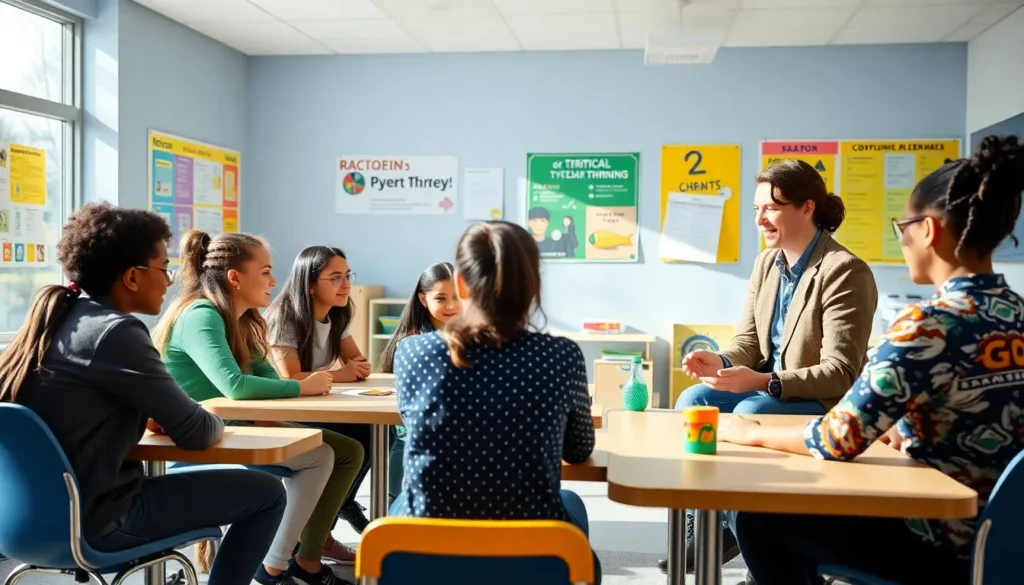
Ever wondered why some kids thrive in a classroom while others seem to be in a never-ending battle against boredom? If traditional school feels like a round peg in a square hole for some, alternative education might just be the creative solution. This approach isn’t just a passing trend: it’s an exciting shift in the way knowledge is imparted. So, grab a coffee, kick back, and let’s explore the intriguing realm of alternative education, because sometimes the road less traveled leads to the best learning opportunities.
Defining Alternative Education
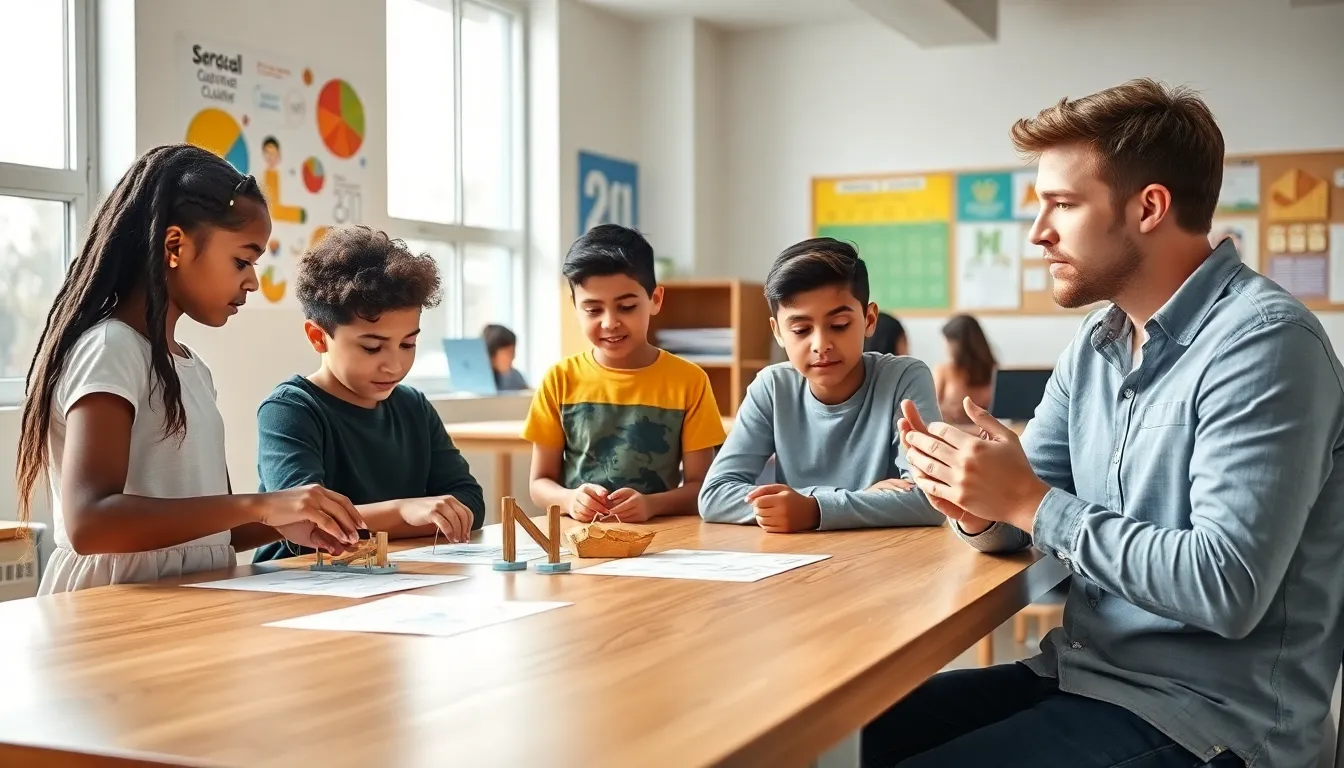
At its core, alternative education refers to any educational approach that diverges from the standardized, conventional methods typically found in traditional public or private school settings. It emphasizes personalized learning, fosters critical thinking, and often encourages a hands-on, experiential style of education. Instead of just memorizing facts for a test, students engage in collaborative projects, inquiry-based learning, and real-world applications of their studies.
In truth, alternative education is about more than mere curriculum changes: it’s a philosophy that understands students learn best when their diverse needs and interests are honored. It thrives in environments where students feel valued and empowered, allowing creativity and imagination to flourish alongside academic achievements.
History and Evolution of Alternative Education
The concept of alternative education isn’t a modern phenomenon. Its roots stretch back to the early 20th century, with pioneers like John Dewey advocating for progressive education that focused on experiential learning rather than rote memorization. Fast forward to the 1960s and 70s, a period of significant social upheaval, and alternative schools sprouted across the globe as people began to question traditional education’s effectiveness.
These schools championed various philosophies, including Montessori, Waldorf, and democratic education, each offering unique methodologies designed to cater to different learners. As society continues to evolve, so does alternative education. Today, it often incorporates technology and global perspectives, reflecting the changing world and the needs of 21st-century learners.
Types of Alternative Education Models
Alternative education encompasses a variety of models, each distinct in its approach and philosophy. Here are a few popular types:
Montessori
Founded by Dr. Maria Montessori, this model encourages independence and respect for a child’s natural psychological development. Classrooms are designed to be child-centered, providing materials that allow students to learn at their own pace.
Waldorf
Developed by Rudolf Steiner, Waldorf education emphasizes imagination in learning. It integrates arts and academics and seeks to foster holistic development, nurturing not just intellect but also creativity and emotional growth.
Democratic Education
In this model, students have a voice in governance and curriculum decisions, empowering them to take charge of their learning experience. The focus is on collaboration and community engagement, cultivating responsible citizens who can navigate the complexities of life.
Online and Hybrid Learning
With the rise of technology, many alternative education models now include online and hybrid options. These flexible formats allow learners to tailor their education to fit their lives, breaking free from traditional schedules.
Benefits of Alternative Education
Alternative education offers several benefits that cater to the diverse needs of learners. Here are some of the standout advantages:
Personalized Learning
Unlike the one-size-fits-all approach of traditional education, alternative models focus on the individual, allowing learners to explore subjects at their own pace and in ways that resonate with them.
Enhanced Engagement
Hands-on, experiential learning means students are often more engaged and motivated. They take ownership of their education, which can lead to a love for learning that extends far beyond the classroom.
Development of Critical Thinking
Alternative education often emphasizes problem-solving and critical thinking over straightforward memorization, preparing students to tackle real-world challenges effectively.
Flexible Environment
Whether through a relaxed atmosphere or a customizable curriculum, these educational models often provide a supportive setting tailored to different learning styles and needs.
Challenges and Criticisms of Alternative Education
Even though the many benefits, alternative education faces its share of challenges and criticisms.
Lack of Standardization
Critics argue that the absence of a standardized curriculum can lead to inconsistencies in education quality. Without clear benchmarks, it can be tough to measure student outcomes effectively.
Funding and Resources
Alternative schools often struggle with inadequate funding. Many rely on tuition or donations, which can limit access and resources compared to traditional public schools.
Misunderstanding and Stigma
Some people view alternative education as a last resort for struggling students rather than a legitimate choice for all. Overcoming this stigma can pose significant hurdles for schools and families alike.