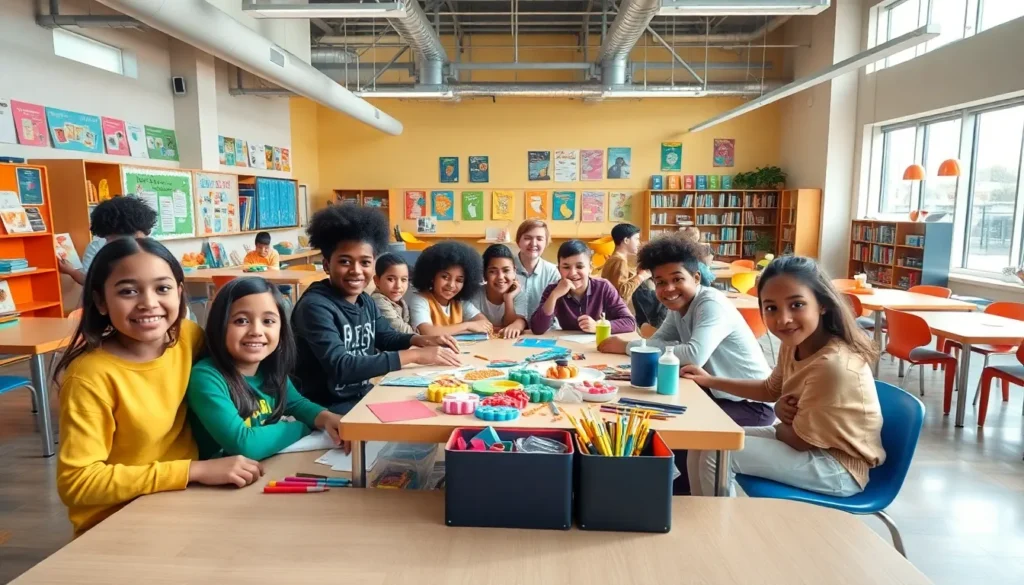
Ever had one of those days where traditional education feels more like an episode of a sitcom gone wrong than a learning experience? If so, you’re not alone. Enter the alternative education center, a refreshing oasis in the desert of conventional schooling. These centers are not just the rebellious streak in the educational landscape: they are legitimate pathways that cater to diverse learning styles and life circumstances. Join us as we jump into this transformative world of alternative education, where learning knows no bounds.
Understanding Alternative Education

Alternative education refers to various educational disciplines that differ from traditional, mainstream schooling models. Foundation principles emphasize personalized learning experiences that prioritize individual student needs rather than a one-size-fits-all approach. At times, this includes smaller class sizes, flexible curricula, and a strong focus on emotional and social development. Students who find themselves in these environments often thrive due to the supportive atmospheres and innovative teaching methods that recognize each learner’s unique strengths. Understanding these differences is the first step toward appreciating the diversity that alternative education brings to the table.
Types of Alternative Education Centers
Alternative education centers come in many forms, each tailored to meet specific needs. Here are some popular varieties:
Montessori Schools
Inspired by Maria Montessori’s teaching philosophy, these schools promote independence, hands-on learning, and mixed-age classrooms, providing a rich environment for children to explore.
Waldorf Schools
Focusing on a holistic approach, Waldorf schools emphasize creativity and imagination, integrating arts into the curriculum alongside traditional subjects.
Charter Schools
These publicly funded schools operate independently of the traditional public school system. They often adopt unique educational approaches and are built around specific themes.
Online Learning Centers
With the rise of the digital age, many students thrive through online platforms that offer virtual classrooms and flexible schedules. This option suits those needing adaptability in their education.
Therapeutic Schools
Designed for students with emotional or behavioral challenges, these schools provide specialized programs that address their specific needs while still focusing on academic achievement.
Benefits of Attending an Alternative Education Center
Choosing an alternative education center comes with a unique set of benefits:
- Tailored Learning Experiences: Every student learns differently, and alternative centers recognize this fact. They often offer personalized curricula that engage students based on their interests.
- Supportive Environments: These centers usually have smaller class sizes and a more nurturing atmosphere, allowing educators to give more attention to individual learners.
- Flexibility: Many alternative education options provide flexible schedules, enabling students to learn at their own pace or balance other commitments like work or sports.
- Focus on Life Skills: Rather than just academics, alternative education centers often integrate practical life skills, preparing students to navigate adulthood effectively.
- Encouragement of Creativity: With fewer constraints than traditional settings, students are often encouraged to think outside the box, sparking their creativity in ways that traditional methods might stifle.
Challenges Faced by Alternative Education Centers
Even though the many advantages, alternative education centers encounter distinct challenges:
- Funding Issues: Many alternative schools operate on limited budgets, which can hinder their ability to provide resources, hire qualified staff, or maintain facilities.
- Perception Problems: There’s often a stigma surrounding alternative education, with critics questioning its legitimacy or effectiveness compared to traditional schooling.
- Varied Curriculum Quality: Since alternative education is not strictly regulated, the quality of education can vary significantly between centers, which may confuse prospective families.
- Transition Difficulties: Students switching from traditional schooling to alternative settings may struggle to adjust, especially if they have been accustomed to a different teaching style.
- Limited Career Pathways: In some cases, graduates from alternative centers face challenges in pursuing higher education or traditional career paths due to perceived disparities in their education.
How to Choose the Right Alternative Education Center
Choosing the right alternative education center involves careful consideration of various factors:
- Define Needs: Consider the child’s unique learning style, strengths, and weaknesses. Different centers cater to different needs.
- Research Options: Look into local centers, their curriculum offerings, and their approaches to education. Online reviews and testimonials from other parents can provide valuable insights.
- Visit the Center: Schedule visits to potential schools. Observe the learning environment: Are students engaged? What is the staff-to-student ratio?
- Talk to Educators: Engaging with teachers and staff can provide a deeper understanding of their philosophy and teaching methods. Ask about their qualifications and experience.
- Consider Logistics: Factor in location, costs, and class sizes. Some centers may have waiting lists or specific entry requirements that can affect your decision.
Success Stories from Alternative Education Centers
Success stories from alternative education centers abound, illustrating the transformative path these institutions can offer. For instance, a student who struggled in a traditional setting, found renewed motivation in a Montessori school, where they were encouraged to explore their interests in science and art. Today, they’re pursuing a degree in environmental science, driven by that early passion.
Another example is a charter school that implemented a project-based learning approach, significantly improving engagement among students who had previously disengaged from academia. Such narratives are not just inspiring: they highlight the potential impact these centers can have on individual lives.
These stories serve as a testament to the power of personalized education and underscore the need for diverse educational options in today’s society.
The Future of Alternative Education
The future of alternative education looks promising as society begins to embrace diverse learning modalities. Continuous advancements in technology open doors to innovative learning platforms that can enhance interactive learning experiences. More parents are advocating for alternative pathways, leading to increased investment and the establishment of new centers.
Also, a shift in educational policy towards a more holistic approach may further legitimize and expand the reach of alternative education. Schools are recognizing the need to develop not only cognitive skills but also emotional intelligence, creativity, and practical skills, areas where alternative education excels.