
In an age where the traditional education system seems as rigid as a ruler, alternative education programs have emerged like a breath of fresh air. These programs are not just a quirky trend: they provide real options for students looking for unique pathways in learning. Imagine a classroom where students thrive on creativity, practical skills, and personalized instruction. If that sounds like your idea of an educational utopia, then you’re in for a treat. Grab your favorite drink, settle in, and let’s discover the realm of alternative education.
Understanding Alternative Education
What Are Alternative Education Programs?
Alternative education programs offer varied approaches to education that diverge from traditional methods. They provide flexible, student-centered learning environments tailored to individual needs. Whether through homeschooling, special education, or small private schools, these programs cater to students who learn differently or require alternative paths due to personal circumstances or learning challenges.
Types of Alternative Education Approaches
The landscape of alternative education is as diverse as the students it serves. Here are some prominent approaches:
- Montessori Schools: Focus on hands-on learning and mixed-age classrooms, encouraging independence and exploration.
- Waldorf Education: Emphasizes artistic expression, social responsibility, and holistic development through a curriculum that fosters creativity alongside academic knowledge.
- Unschooling: This learner-led philosophy allows children to pursue their interests at their own pace, promoting self-directed learning.
- Online Learning: With technology at our fingertips, many alternative programs offer online courses that provide flexibility for students who thrive in a less conventional environment.
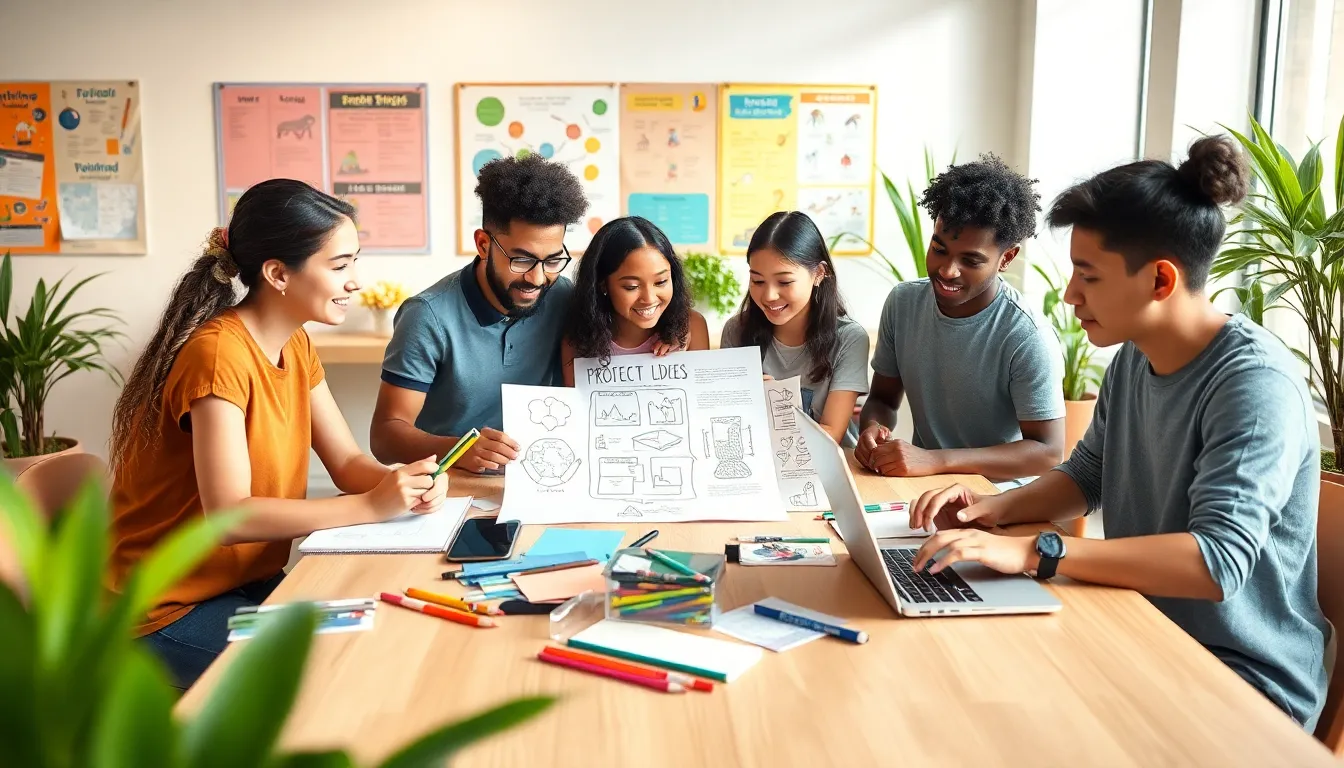
- Project-Based Learning: Students engage in real-world projects, integrating academic learning with practical expertise.
Why Choose Alternative Education?
Benefits of Alternative Education Programs
Alternative education can empower students in ways traditional methods may not. Here are noteworthy benefits:
- Personalized Learning: Students receive tailored instruction that aligns with their unique strengths and interests.
- Fostering Creativity: These programs often emphasize innovative thinking and creative expression, helping students develop critical problem-solving skills.
- Flexibility: Families can choose schedules and locations that fit their lifestyles, alleviating stress and enhancing learning experiences.
- Stronger Relationships: Smaller class sizes foster closer connections between students and educators, promoting a supportive learning environment.
- Focus on Social and Emotional Learning: Many alternative programs prioritize emotional well-being, helping students develop crucial social skills alongside academics.
Challenges and Considerations
Even though the numerous advantages, pursuing alternative education isn’t without challenges. Parents should consider the following:
- Resource Availability: Access to materials, educational resources, and social opportunities may vary significantly.
- Recognition of Credentials: Some employers and colleges may not acknowledge alternative education credentials, which can limit options after graduation.
- Commitment: Parents often need to invest significant time and energy to support their children’s learning, which can be daunting.
How to Find the Right Program
Evaluating Alternative Education Options
Finding the perfect alternative education program can feel like searching for a needle in a haystack. Here are tips to simplify the decision-making process:
- Research: Explore various programs and their educational philosophies to see which aligns best with your child’s needs.
- Visit Schools or Online Platforms: If possible, tour schools or explore online platforms to gauge the learning environment and approach firsthand.
- Connect with Other Parents: Seek feedback from parents who have experience with alternative programs to gain insights and recommendations.
Questions to Ask When Choosing a Program
When evaluating an alternative education program, don’t hesitate to ask critical questions that matter:
- What is the program’s philosophy, and how does it support individualized learning?
- How does the program address socialization opportunities?
- What are the qualifications of teaching staff?
- What support services are available for students with special needs?
- How is student progress assessed?
Success Stories and Case Studies
Real-Life Examples of Alternative Education Success
Numerous success stories highlight the positive impact of alternative education programs. For instance, Jake, who struggled in a traditional school setting, thrived in a project-based learning environment. He pursued his passion for sustainability, eventually developing a community garden initiative. Stories like Jake’s emphasize the potential of alternative education to unlock student capabilities.
Innovative Techniques and Pedagogies
Innovation abounds in alternative education. Some programs integrate technology creatively, using interactive tools to enhance learning experiences. Others use place-based education, focusing on local environments to teach relevant principles. Such techniques cultivate engaged learners who connect classroom knowledge with the world beyond.