
Let’s face it: education isn’t one-size-fits-all. Traditional classrooms can feel more like a zoo than a learning haven. Maybe your learning style doesn’t mesh with traditional methods, or perhaps your student craves a bit more adventure in their studies. Whatever the case, alternative education programs could be the breath of fresh air you didn’t know you needed. Imagine, instead of dull textbooks and endless lectures, a place where creativity is encouraged, and learning is personalized. Now, if that sounds appealing to you, stick around as we dive deep into what these programs are all about and how to find one that fits like a glove.
What Are Alternative Education Programs?
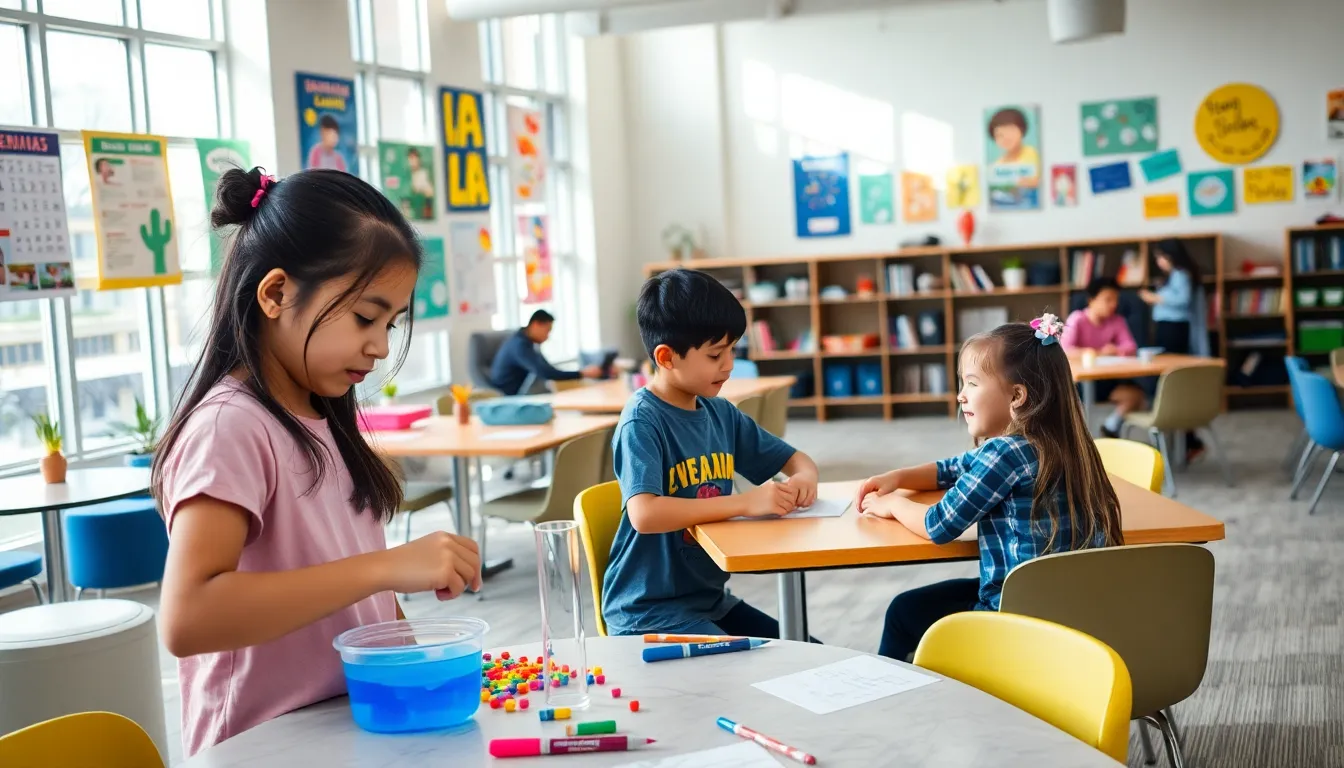
Alternative education programs offer unique learning experiences outside the confines of conventional schooling. They cater to students who may struggle in traditional settings, providing customized curricula tailored to individual needs. These programs can emphasize hands-on learning, project-based activities, or social-emotional growth, enabling students to thrive in ways they might not be able to in a traditional classroom. From homeschooling co-ops to charter schools and online learning platforms, alternative education is all about flexibility and creativity in educational pursuits.
Types of Alternative Education Programs
Alternative education programs come in various shapes and sizes. Here are some notable types:
Homeschooling
Homeschooling allows parents to tailor education directly to their child’s learning style and interests. This method often includes resources such as co-ops, where families collaborate for teaching subjects.
Montessori Schools
Montessori schools focus on child-led learning where students explore subjects at their own pace, with a heavy emphasis on independence and creativity.
Waldorf Schools
Waldorf education aims to integrate arts and academics, creating a well-rounded experience that prioritizes imagination and creativity alongside critical thinking.
Online Learning Programs
For those who prefer studying from home, online education offers a flexible way to learn, albeit often requiring a high level of self-discipline.
Charter Schools
Charter schools are public but operate independently. They often carry out unique educational frameworks that cater to specific student needs or community interests.
Benefits of Alternative Education Programs
The perks of alternative education programs can be significant. Here are some of the most compelling benefits:
Personalized Learning
Students often receive individualized attention, allowing them to progress at their own pace and explore topics that excite them.
Active Engagement
With hands-on and project-based learning, engagement skyrockets. Students often retain more information when learning through experience rather than lectures.
Nurturing Environments
Many alternative programs foster environments that prioritize emotional well-being, encouraging social development alongside academic achievements.
Flexibility
These programs can often adapt to the needs of families, offering various schedules and styles of learning that help students balance life’s demands.
How to Find Alternative Education Programs in Your Area
Finding the right alternative education program doesn’t have to be a Herculean task. Here are some steps to follow:
- Use Online Resources: Websites like GreatSchools or Niche can provide insights into local options.
- Visit Community Centers: Many community organizations offer information about local alternative education programs.
- Attend Education Fairs: These events feature multiple educational options and often allow for direct interaction with program representatives.
- Ask Around: Join local parenting or education groups on social media to get recommendations.
- Explore Online Options: If local options seem limited, don’t overlook the wealth of online programs available today.
Factors to Consider When Choosing an Alternative Education Program
Choosing the right program requires careful consideration. Here are some factors to keep in mind:
Educational Philosophy
Does the school’s approach align with your educational values?
Curriculum Structure
What kind of curriculum do they offer, and does it excite and engage your student?
Location and Accessibility
Is the program convenient to reach, or do they offer online options?
Class Size
Smaller classes often mean more personalized attention, enhancing the learning experience.
Reviews and Reputation
Look into the program’s reviews, and see what other parents and students say about their experiences.
Success Stories: Impact of Alternative Education Programs
The success stories stemming from alternative education programs are inspiring. For instance, consider Jane, who struggled in a traditional environment but flourished when enrolled in a Montessori school. Her newfound passion for learning not only improved her grades but also filled her with confidence. Similarly, David, once disengaged in school, discovered his love for robotics through an online program, leading him to a lucrative internship while still in high school. These tales are just the tip of the iceberg, showcasing how alternative education can truly transform lives.